Trezor Login — Complete Guide to Safe Access and Secure Wallet Management
Introduction
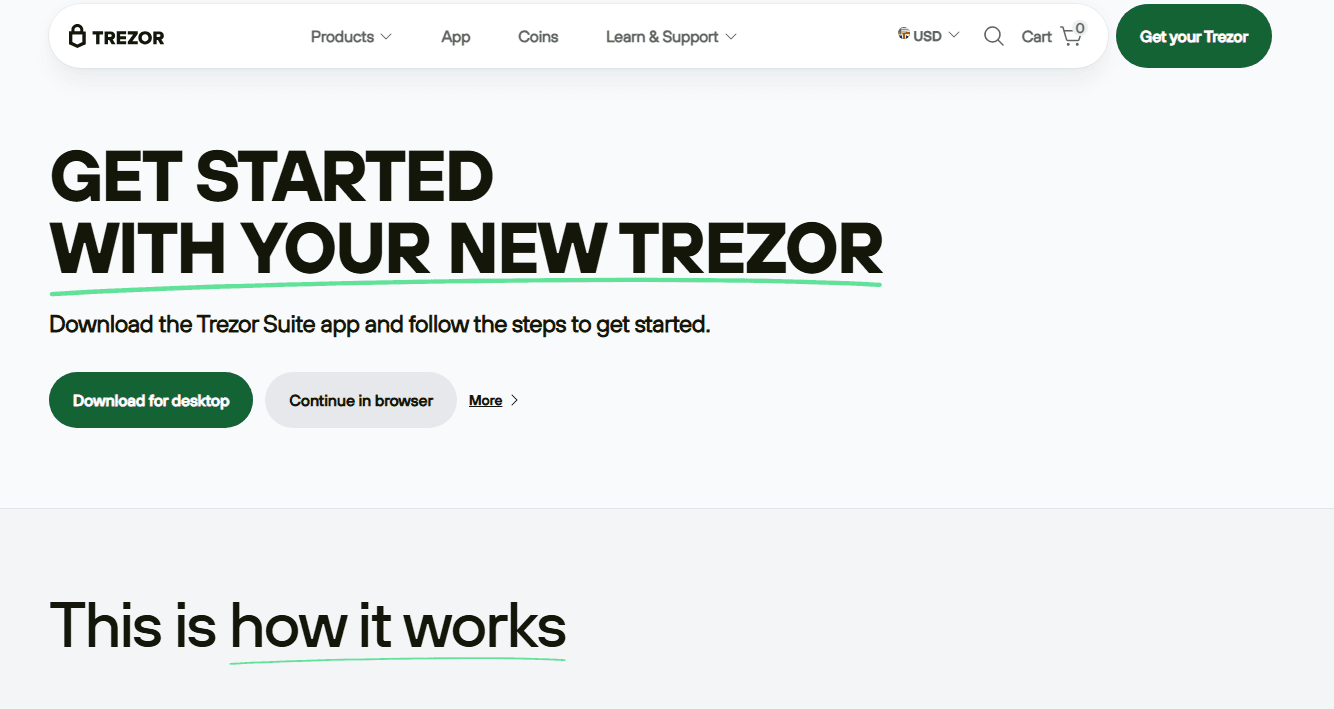
The phrase “Trezor login” often confuses new crypto users because Trezor devices do not use a traditional online login system. Instead of signing in with a username or password, access to your wallet is done directly through your Trezor hardware device. This method is far more secure because your private keys never leave the hardware, and no online account can be hacked to access your funds. This guide explains how Trezor login actually works, how to safely access your wallet, and what steps you should follow to protect your crypto.
Understanding How Trezor Login Works
Unlike web-based wallets, Trezor requires no cloud accounts or online profiles. Your hardware wallet is the only way to access your funds. When someone refers to “logging in,” they usually mean connecting the device to the Trezor software and unlocking it with your PIN or passphrase. This device-centered login method keeps your private keys fully offline, making Trezor resistant to common online attacks.
Connecting Your Device for Login
To begin the login process, connect your Trezor hardware wallet to your computer or mobile device using the provided cable. Once the device powers on, the screen will prompt you to unlock it. You’ll then open the Trezor application, which automatically detects your connected hardware wallet. This step replaces the need for an online login form, providing access through physical confirmation instead.
Unlocking Your Trezor with a PIN
Your PIN is your first layer of device security. When logging into your wallet, you must enter this PIN directly or through the randomized input displayed on your device. The PIN system protects your wallet even if the device falls into the wrong hands. Because the input matrix changes each time, guessing or observing your PIN becomes extremely difficult. Choose a PIN that is secure, and never share it with anyone.
Using a Passphrase for Enhanced Login Security
In addition to the PIN, Trezor offers a passphrase feature that creates a hidden wallet protected by an extra layer of security. This passphrase acts like an advanced login credential. Each unique passphrase opens a different wallet, even when using the same hardware device. This is ideal for users who want additional privacy or protection against theft. However, forgetting the passphrase means losing access to the hidden wallet permanently, so handle it with care.
Accessing Your Accounts After Login
After entering your PIN and optional passphrase, the Trezor application loads your accounts. Your balances, transaction history, and crypto assets become visible. Unlike an online account, everything is locally managed through your hardware wallet. The application cannot perform any sensitive action without your device confirming it, reinforcing the security of every login session.
Approving Transactions After Login
Every transaction requires manual approval on the Trezor device. When you send crypto, the destination address and amount appear on the hardware screen. You must physically verify and approve the transaction. This protects you from malware that may attempt to change transaction details on your computer. Without device approval, no transaction can occur, even if a hacker gains temporary access to your computer.
Why Trezor Doesn’t Use Password-Based Login
Traditional passwords can be stolen, guessed, or phished. Trezor removes this risk by eliminating online login credentials entirely. By requiring physical interaction with the hardware device, Trezor ensures that the only way to access your wallet is by having the device in hand. This significantly reduces the attack surface and increases overall protection for your crypto.
Troubleshooting Login Issues
If you’re unable to log in, start by checking the USB connection and confirming your device screen is active. Ensure your firmware and Trezor app are updated to the latest version. If your PIN is incorrect multiple times, the device will introduce a delay to protect against brute-force attempts. If you have lost your device or PIN, you can restore your wallet on a new Trezor device using your recovery seed.
Importance of the Recovery Seed for Login
Your recovery seed is the ultimate backup of your wallet. If your device stops working, is lost, or becomes inaccessible, your recovery seed allows you to restore your entire wallet on another Trezor device. This seed must be stored securely offline. If someone gains access to it, they can access all your funds. Treat the seed as your most sensitive information—never store it digitally or share it.
Security Tips for a Safe Trezor Login
To ensure secure access every time you log in, consider these key best practices:
• Always keep your firmware updated.
• Never enter your recovery seed on a computer or website.
• Avoid using public or untrusted devices to access your wallet.
• Keep your PIN and passphrase private and separate from your recovery seed.
• Regularly review your accounts after login to confirm activity is accurate.
Logging Out: Ending Your Session Safely
To safely end your session, unplug your Trezor device from your computer. Once disconnected, the Trezor application loses access to your wallet, ensuring no software can perform actions without your device. This simple offline logout method ensures your crypto is always protected when you’re no longer actively managing it.
Conclusion
Trezor login is built around security, simplicity, and hardware-based authentication. Instead of using online credentials, you access your wallet through a physical device combined with a PIN and optional passphrase. This structure protects your crypto from online threats and ensures only you can control your funds. By following secure practices and understanding how Trezor login works, you maintain complete control over your digital assets with confidence and peace of mind.